Strength & Durability
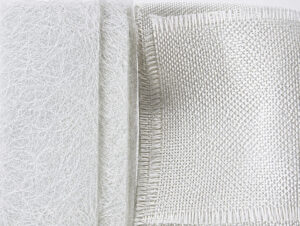
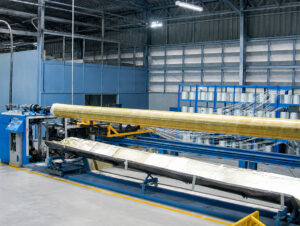
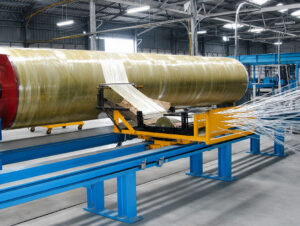
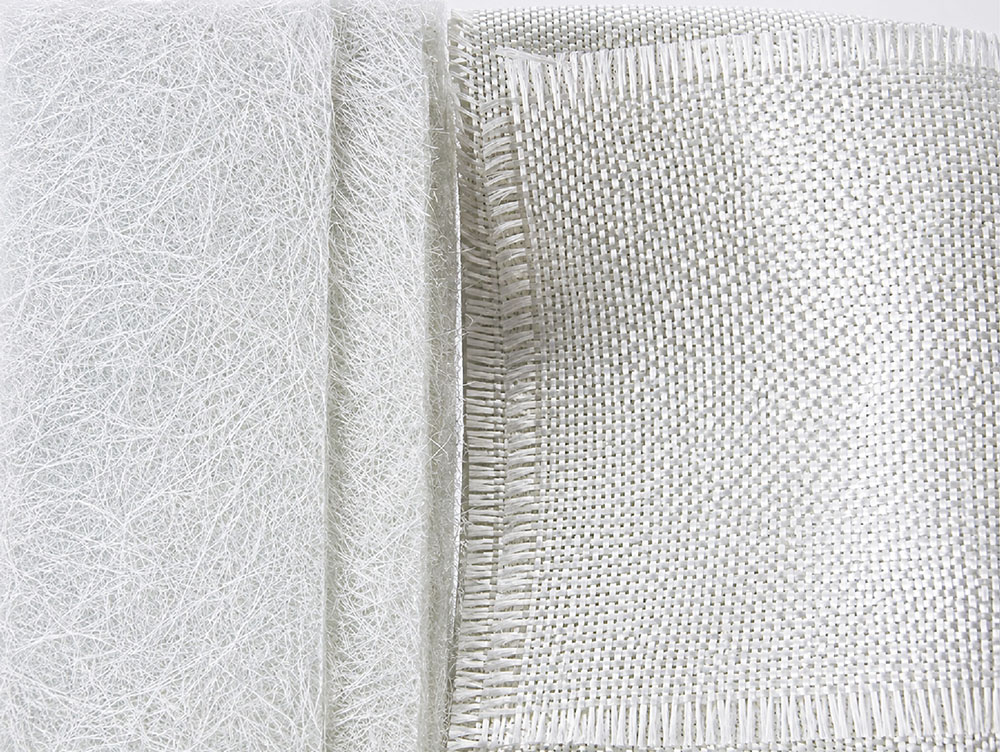
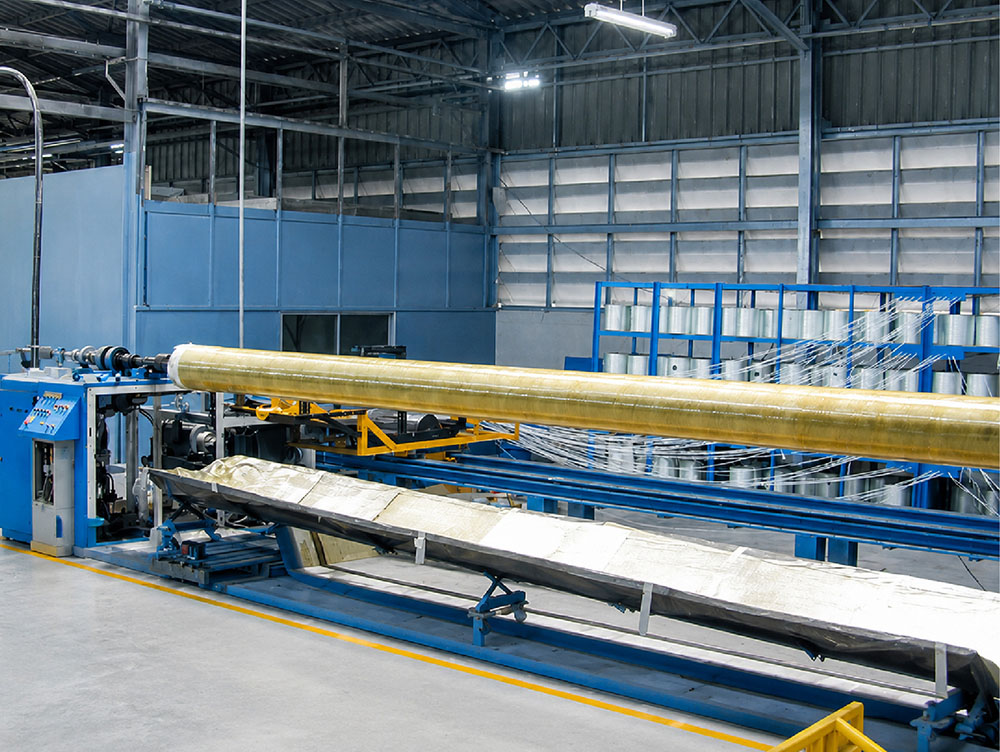
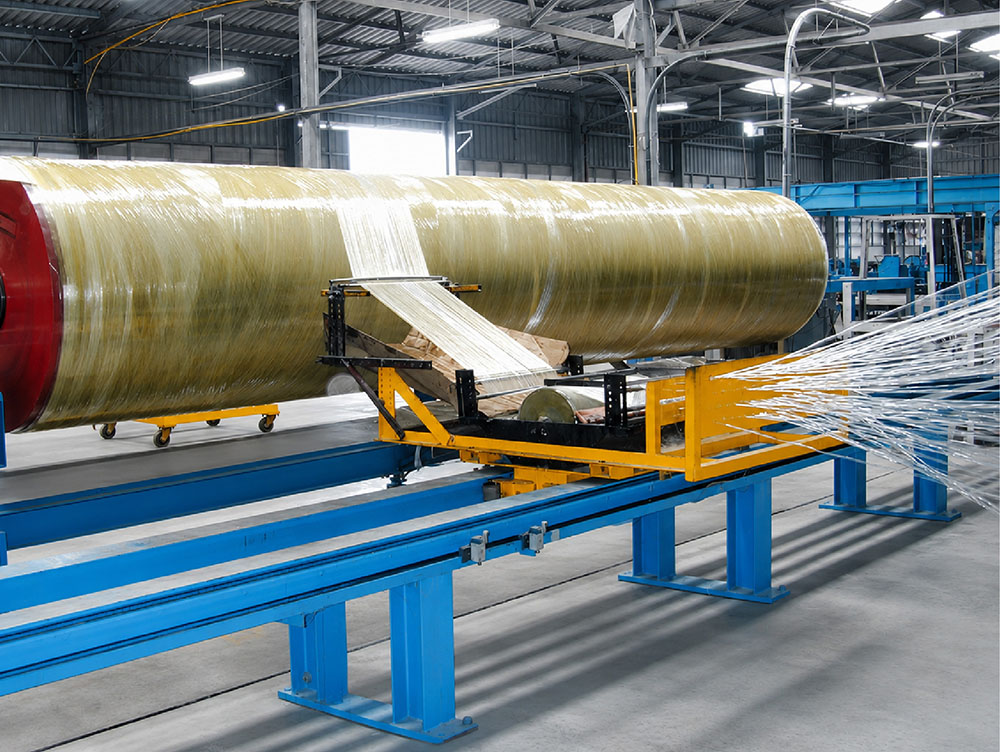
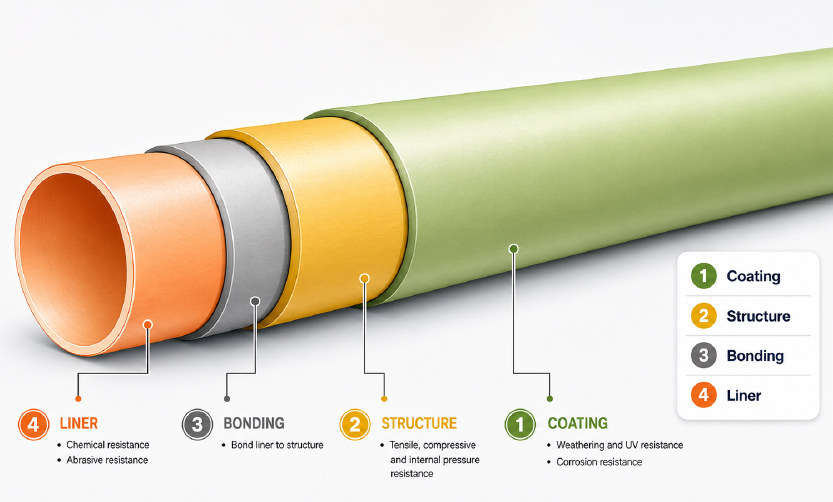
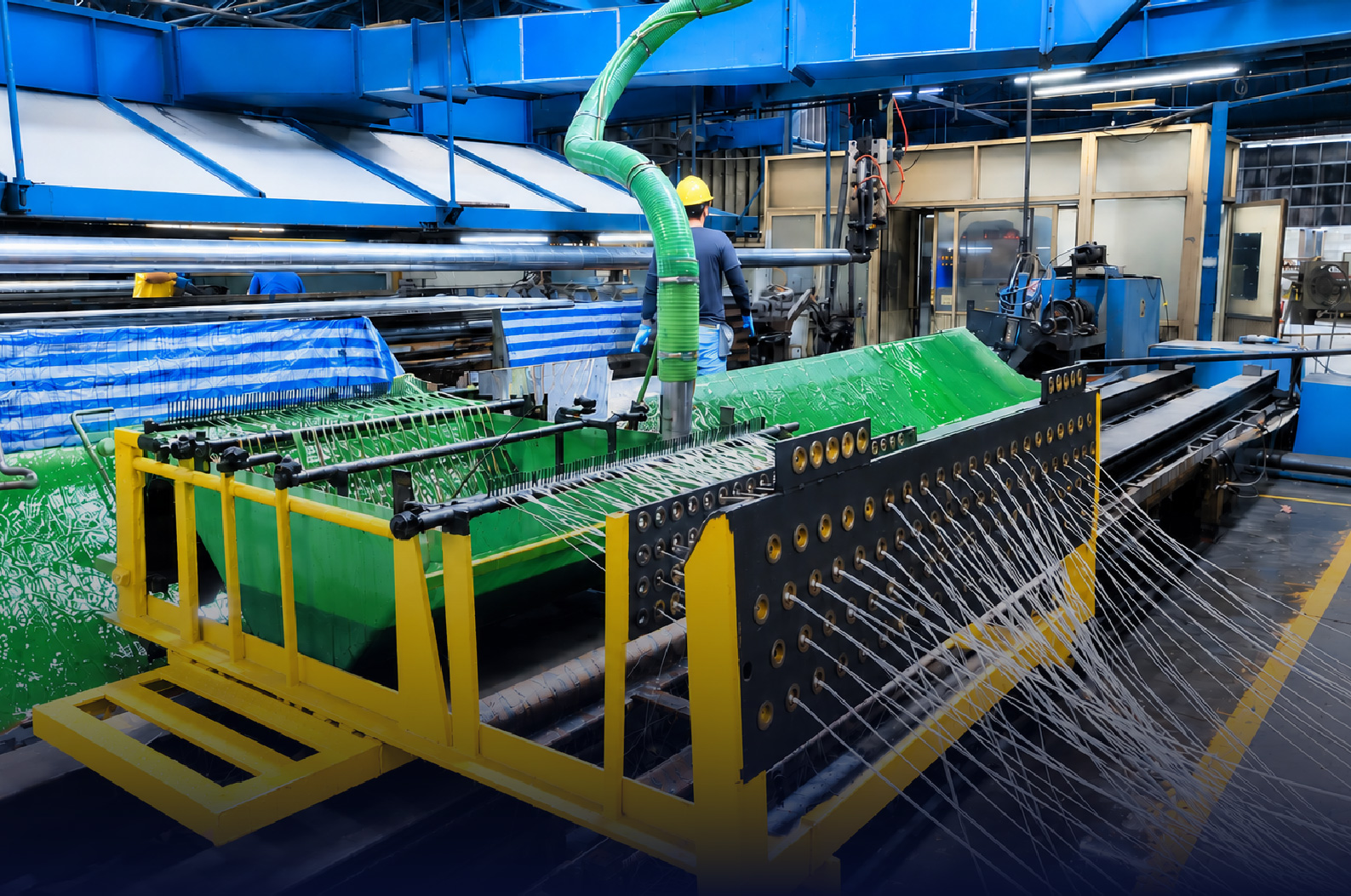
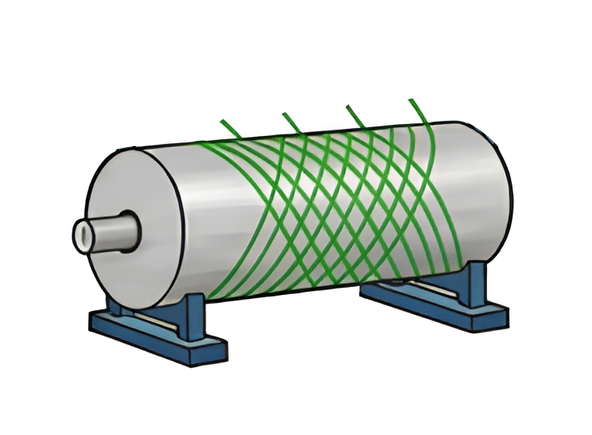
Constructed with 60–70% E-Glass roving using a cross-wound manufacturing process, offering excellent tensile strength.
High Chemical Resistance
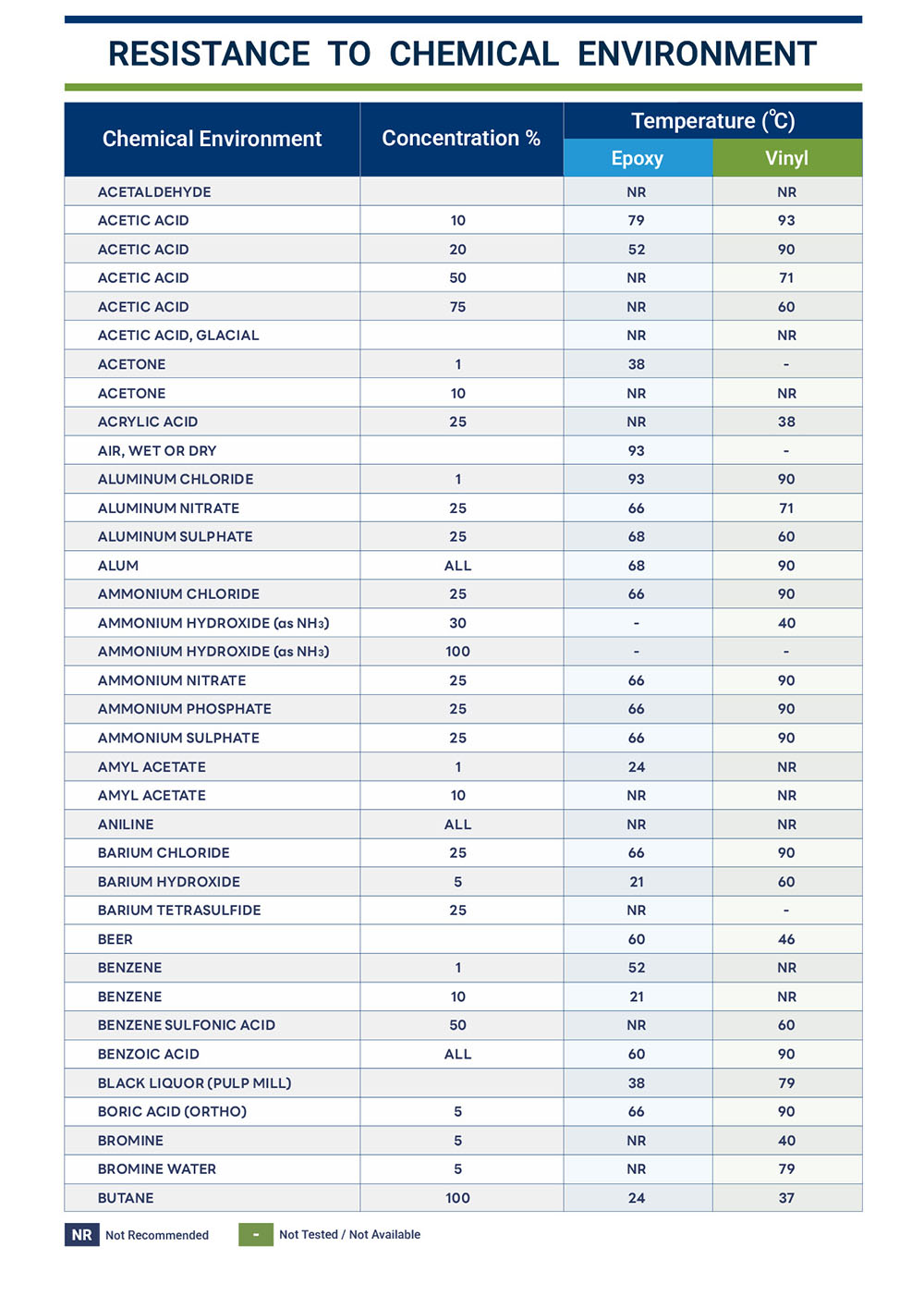
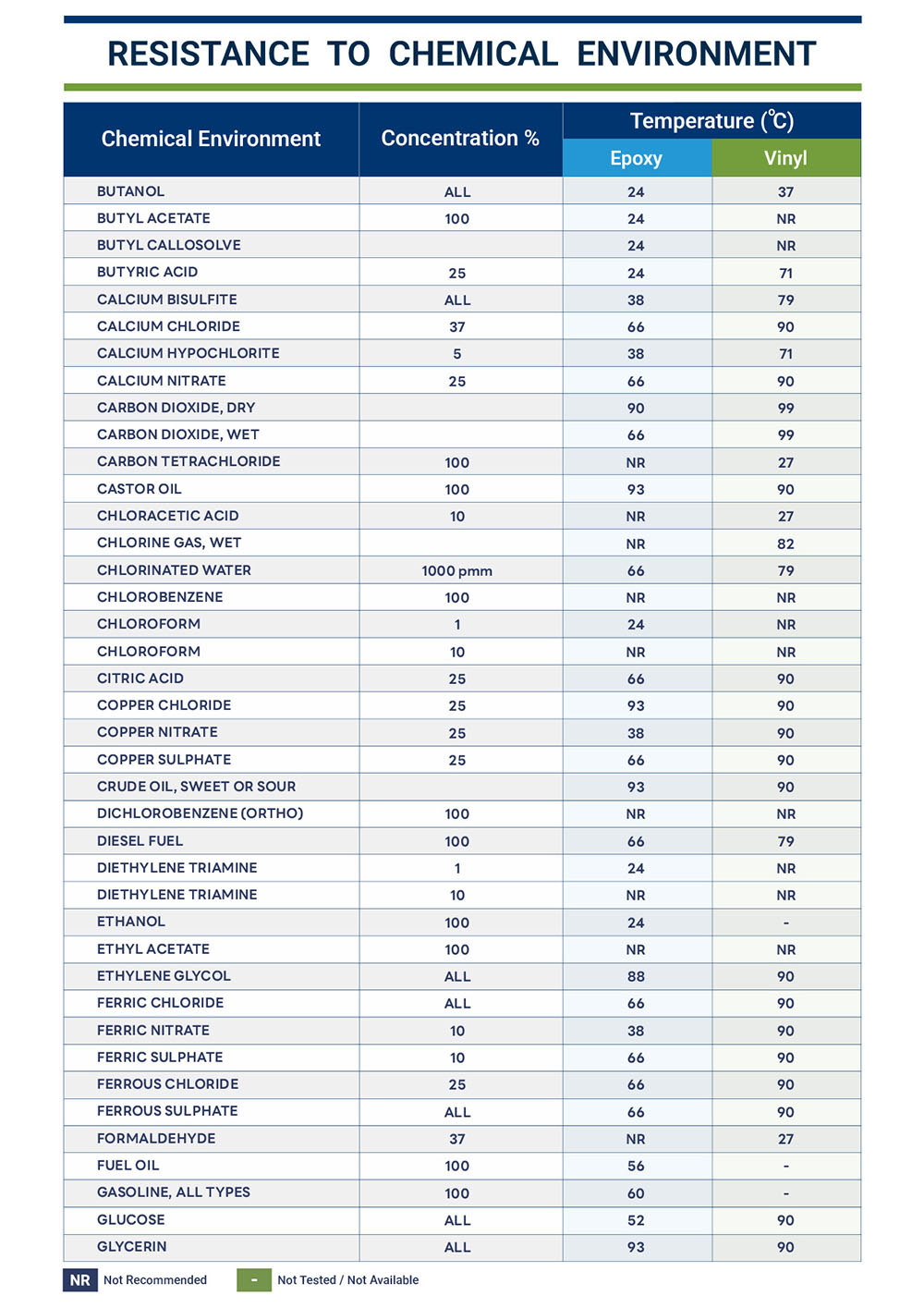
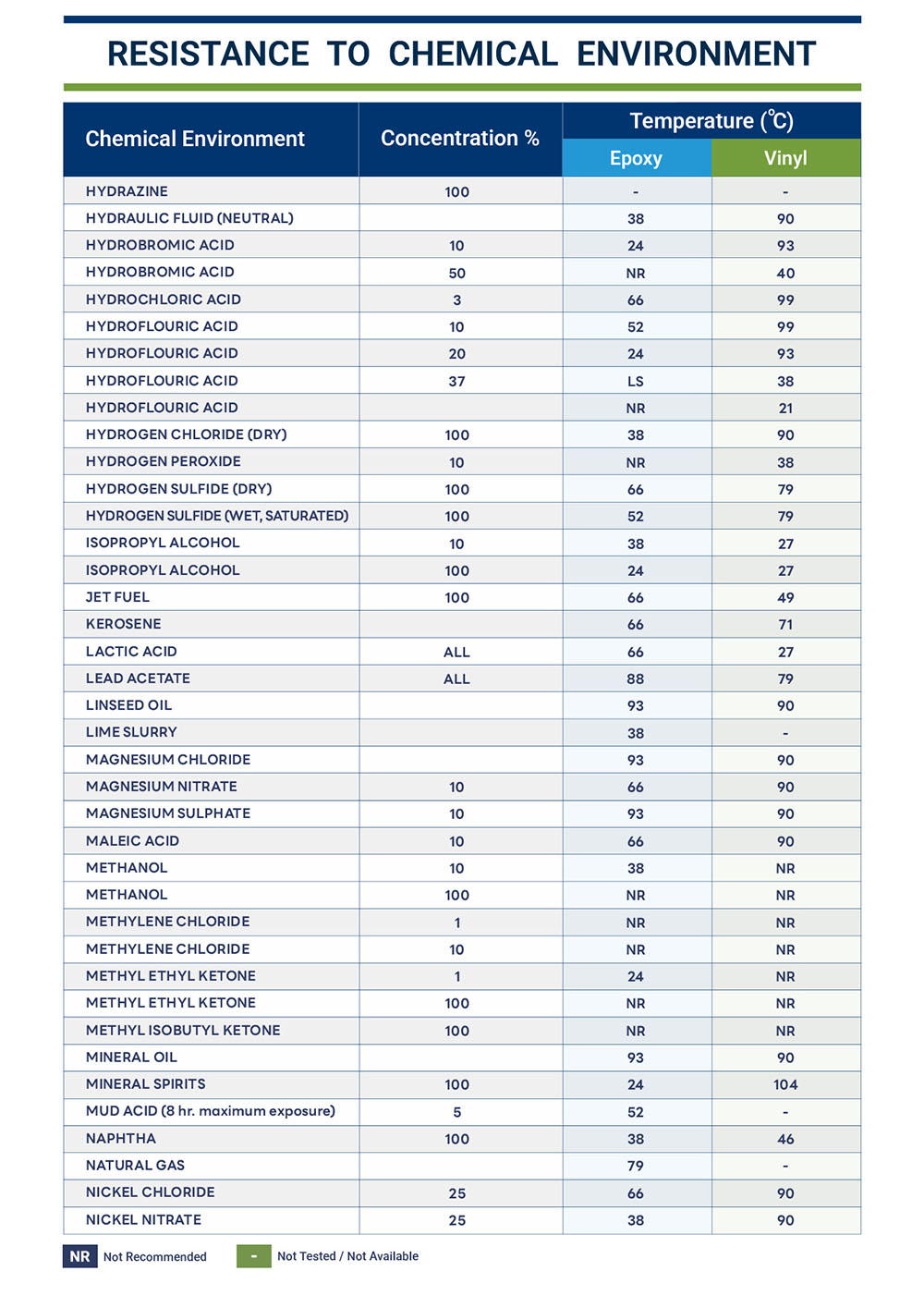
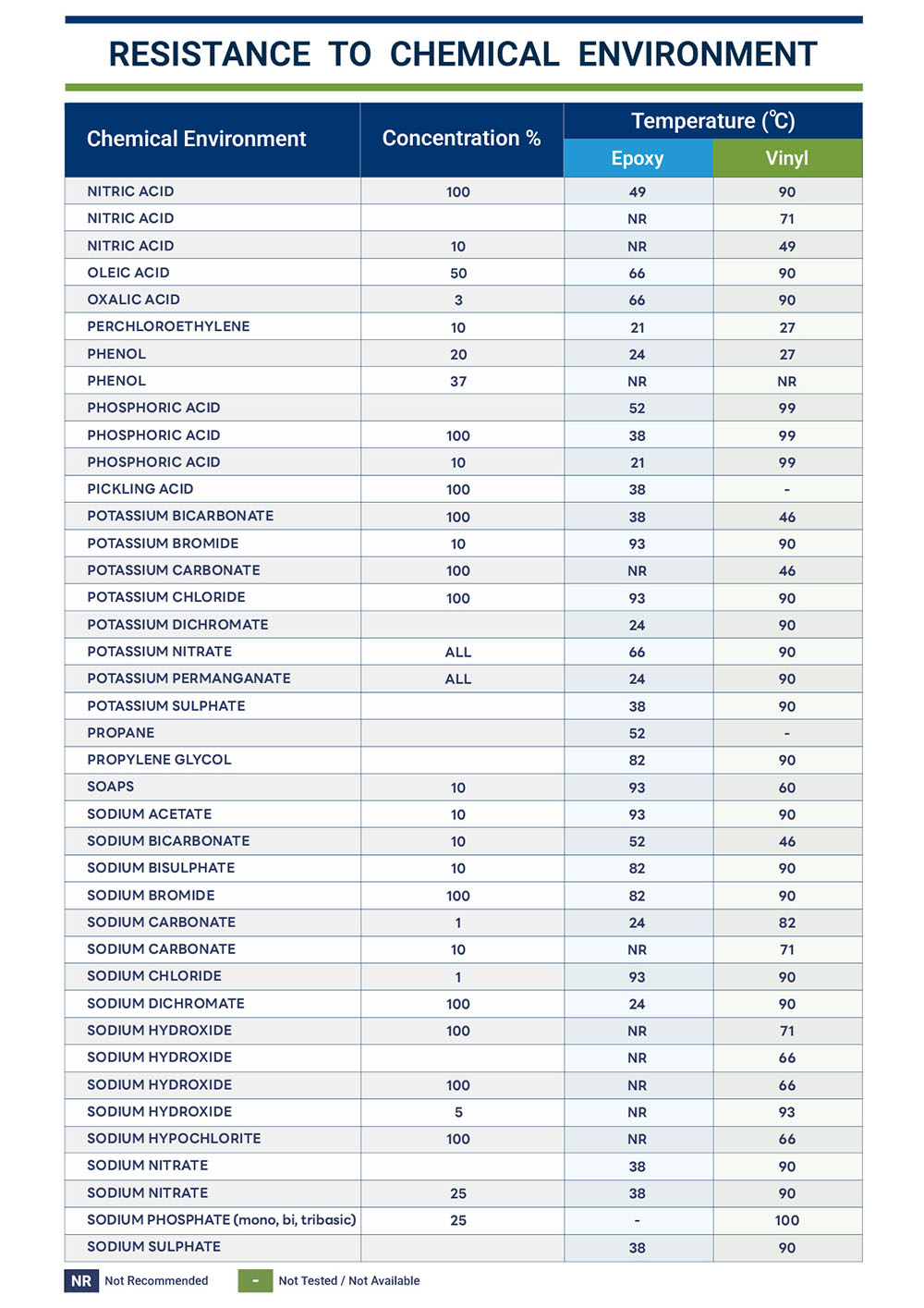
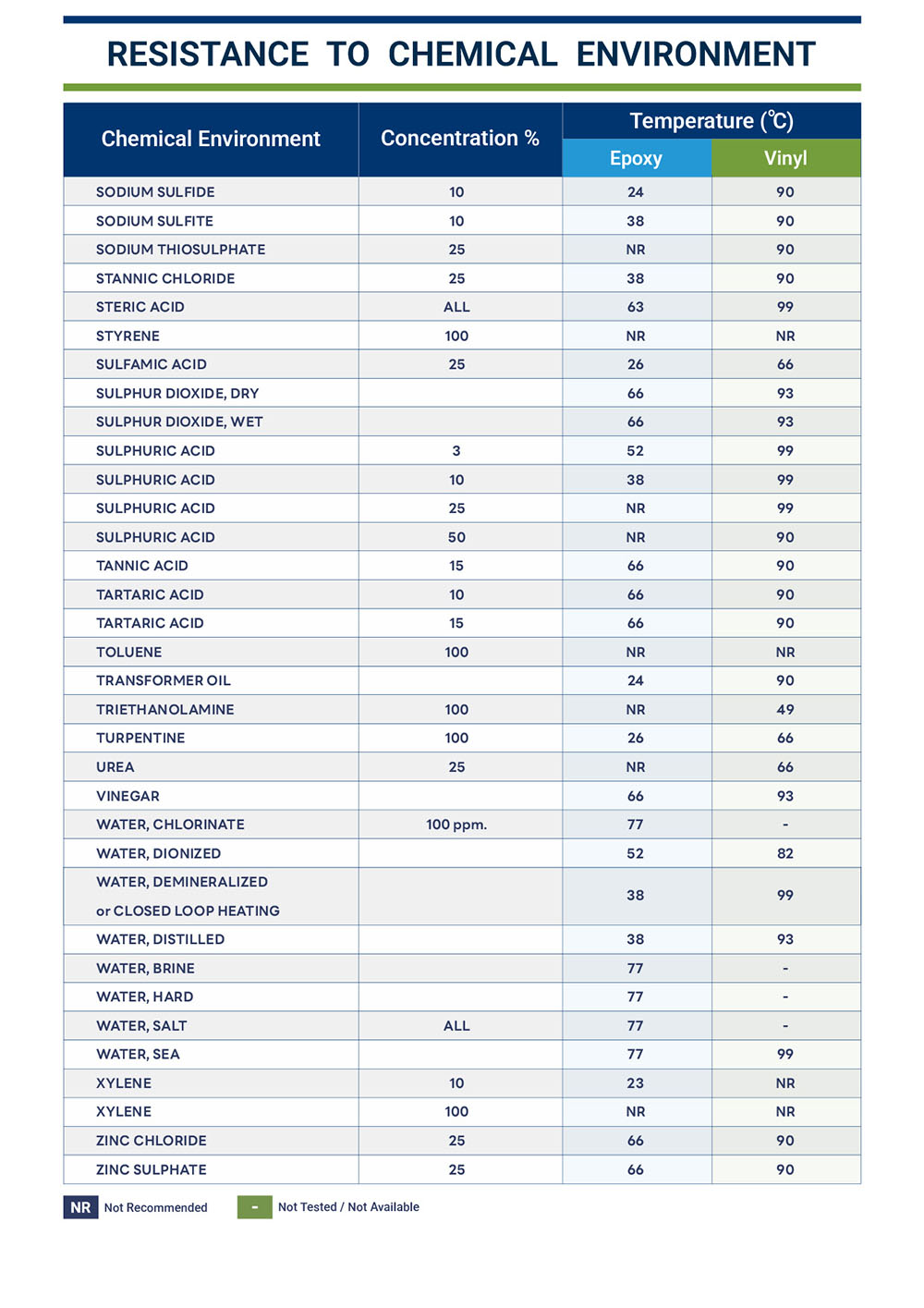
The liner layer is manufactured using C-Glass and resin (≥70%), providing long-term resistance to acids, alkalis, industrial chemicals.

Corrosion Resistant
Will not rust, requires no protective painting, and prevents scale buildup, significantly reducing maintenance costs throughout its service life.

UV Resistant
The outer coating is made from PU or Resin-Rich Surfacing Veil, providing protection against UV radiation and harsh outdoor weather conditions.

Easy & Quick Assembly
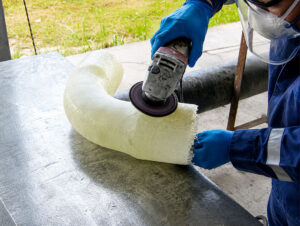
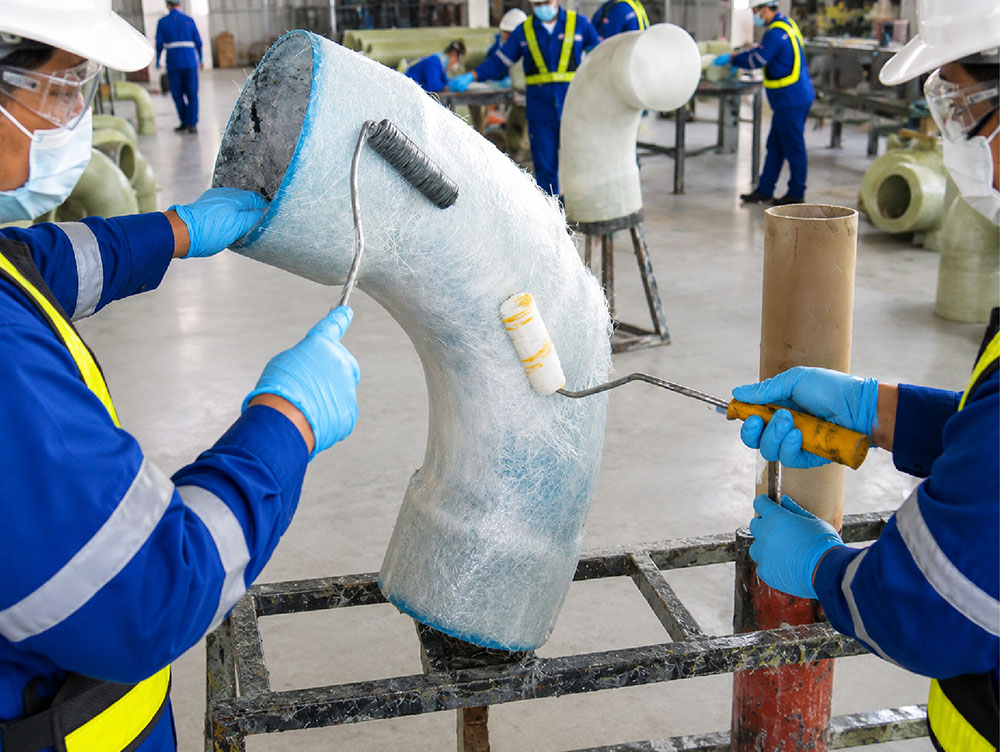
Can be joined using epoxy adhesive, wrap joints, flanges, or O-ring connections, reducing installation time and labor requirements.

Light Weight
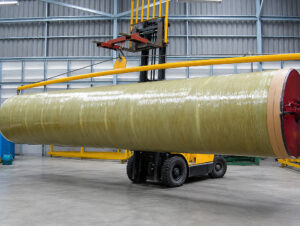
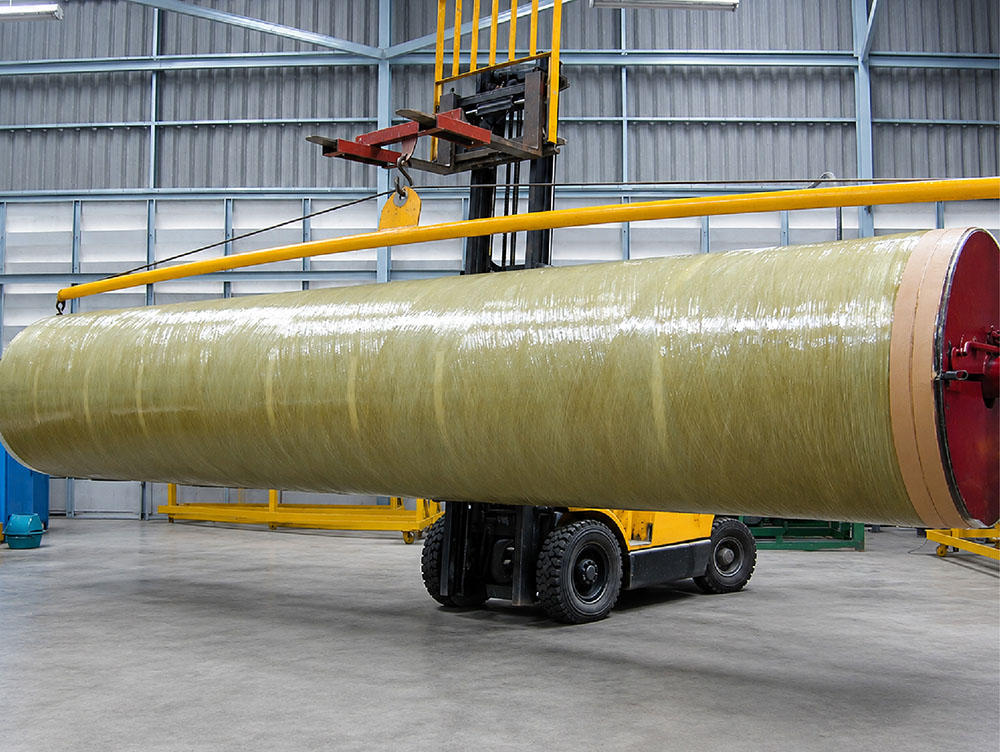
Up to 4–5 times lighter than steel pipes, reducing transportation and installation costs while eliminating the need for large cranes.




Bonded with two-component epoxy adhesive for accurate alignment and a smooth internal transition.
Connects GRE piping to valves, equipment and metallic flanges. ANSI, DIN and JIS options are available.
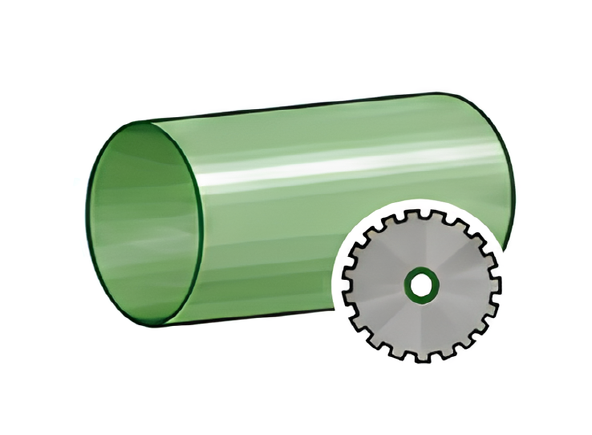
Mechanical joint designed to resist internal pressure and axial tension, ideal for buried pipelines.
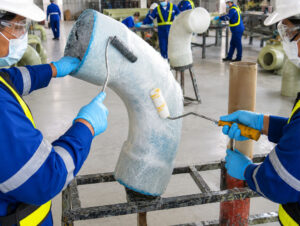
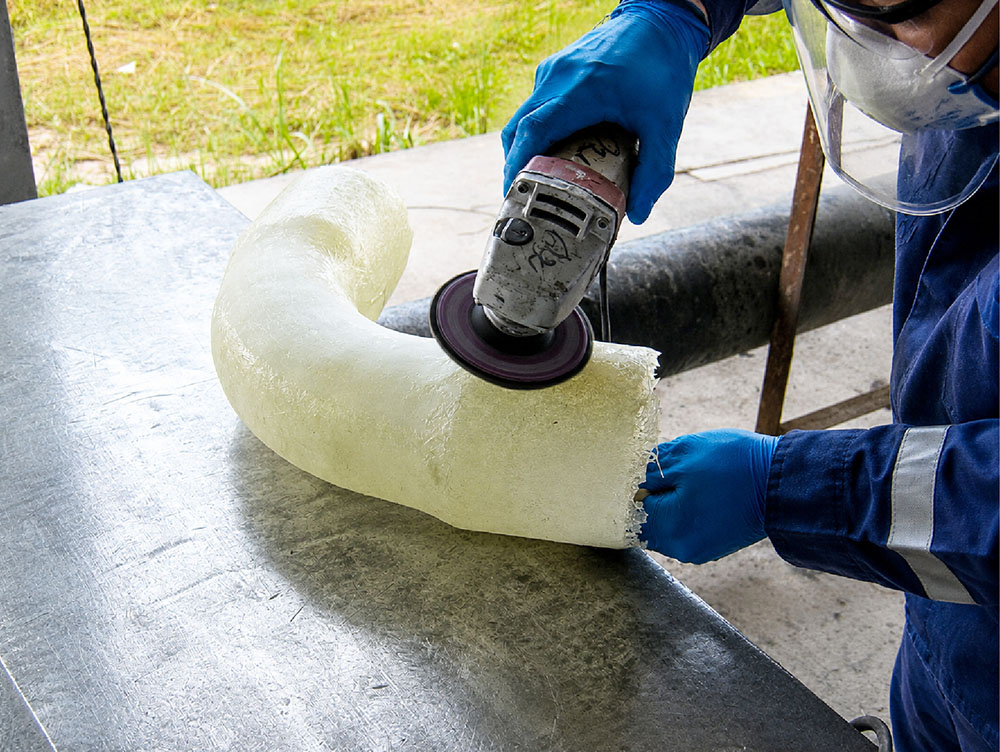
Provides serviceable connections or site-fabricated laminated joints for complex piping layouts.


Dimension Test
Hydrostatic Test
Hoop Tensile Strength Test
Axial Tensile Strength Test
Burst Test
Chemical Resistance Test


According to the ASTM D3567 standard, a test specimen is outside diameter or inside diameter, thickness and length. Outside diameter: measure the outside diameter at both end pipe of each it and report the result of experiment. Thickness: measure the thickness of pipe at various point follow the direction of circumference at least 4 values and report the result of experiment both minimum and average values. Length: measure the length of pipe at 2 points that opposite together and report the result of experiment.
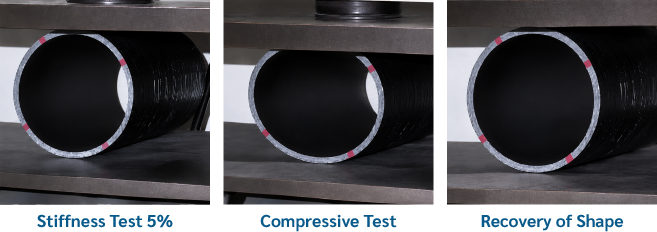
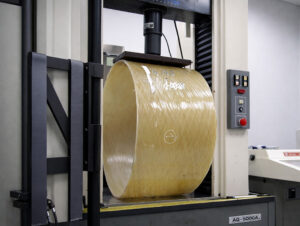
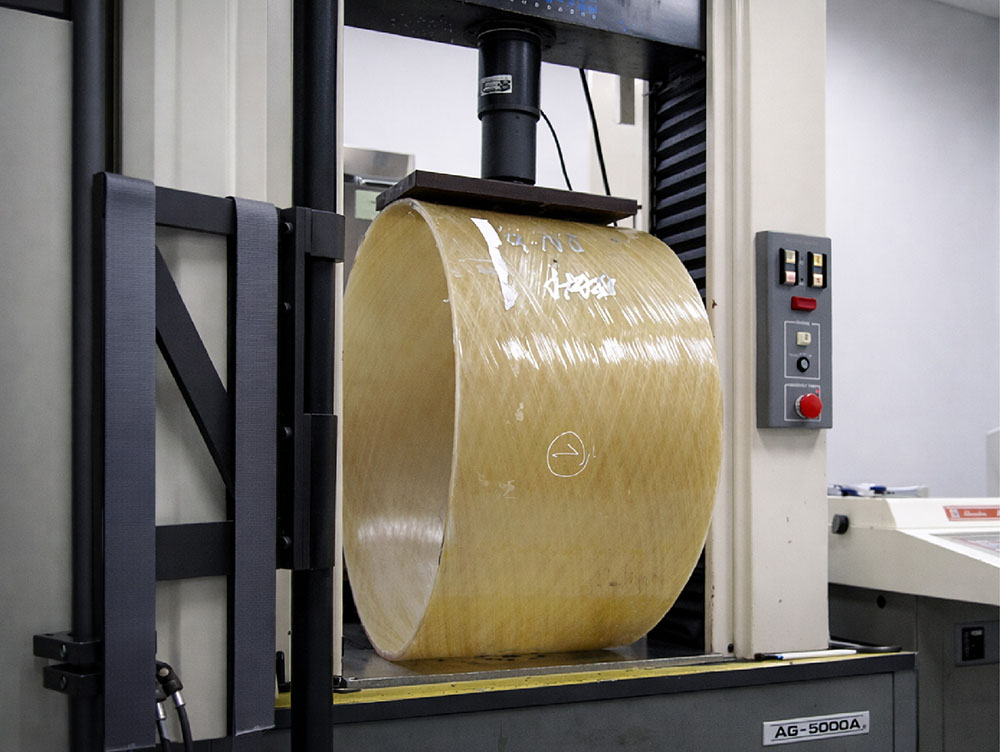
Test method is carried out in reference to ASTM D 2412 standard. A specimen with its longitudinal axis parallel to the plate is located in the testing machine. After applying the force to the desired deflection, the load is recorded. The force is continuingly applied until the specimen breaks and the ultimate compressive strength value is recorded. Due to the memory capability, pipe display excellent capability to retain its shape after the removal of the load.
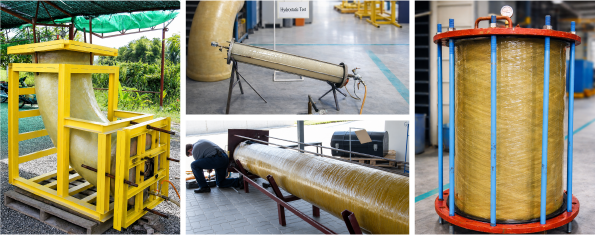
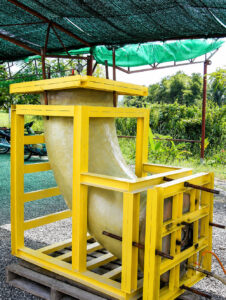
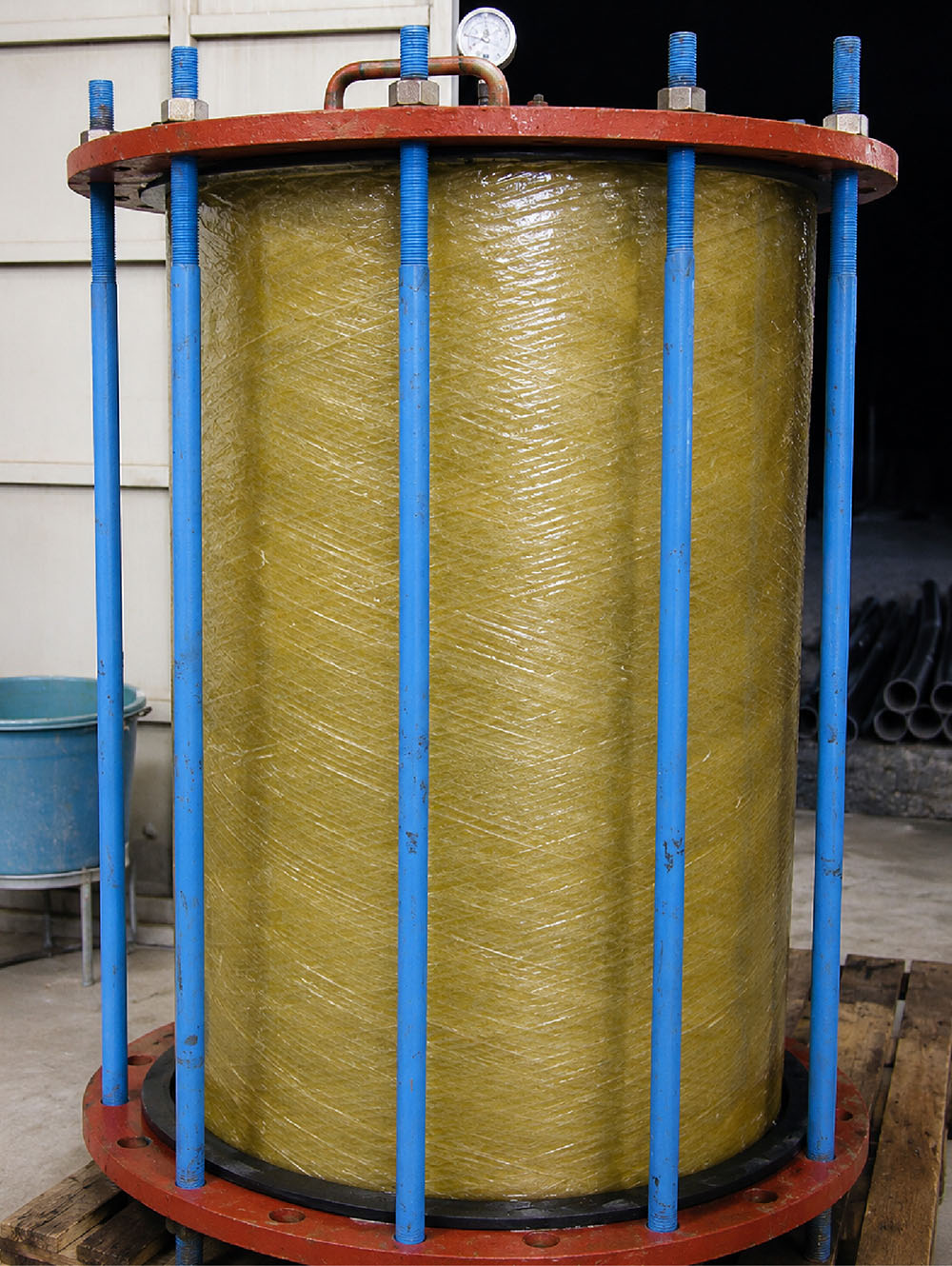
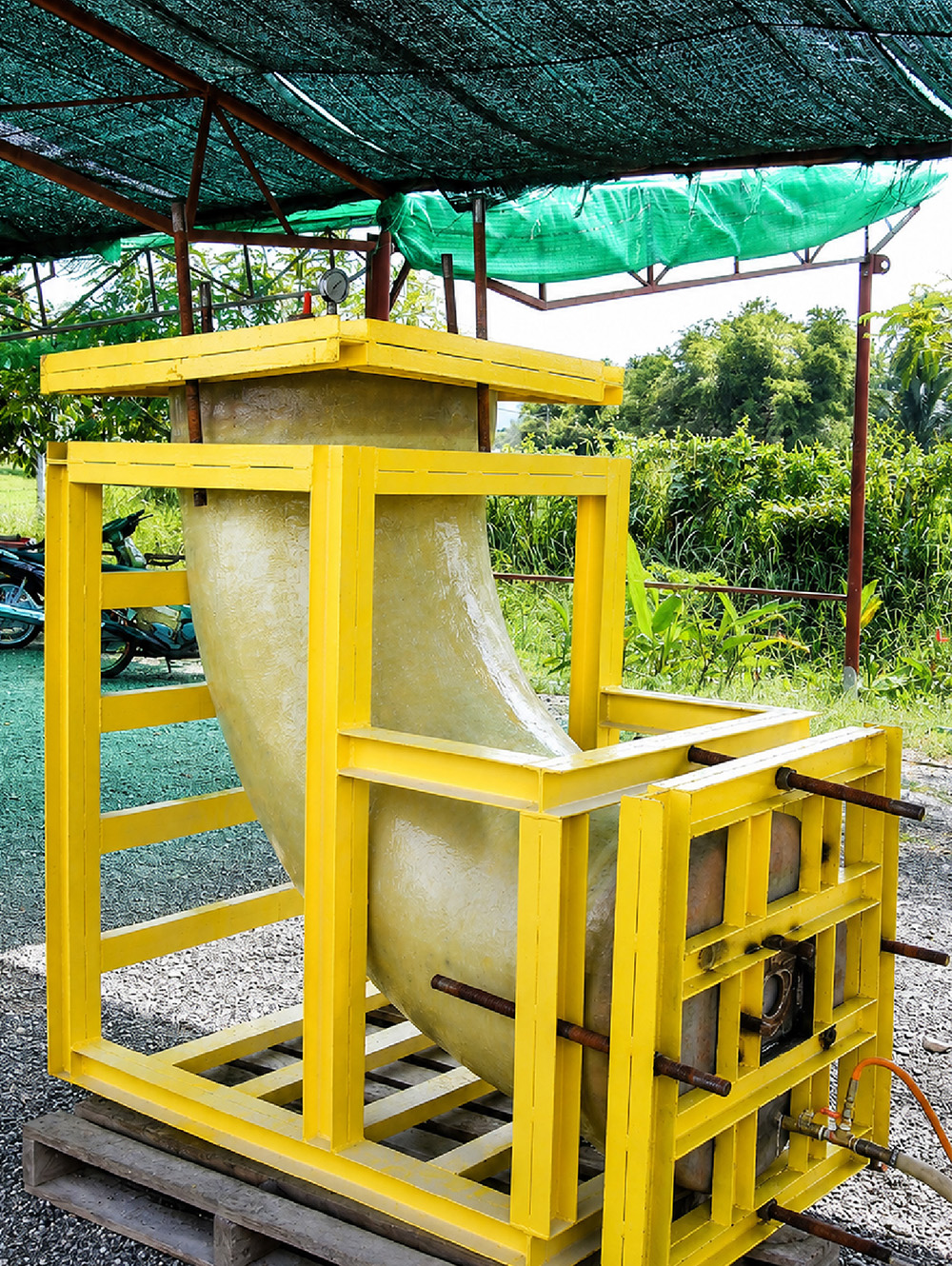
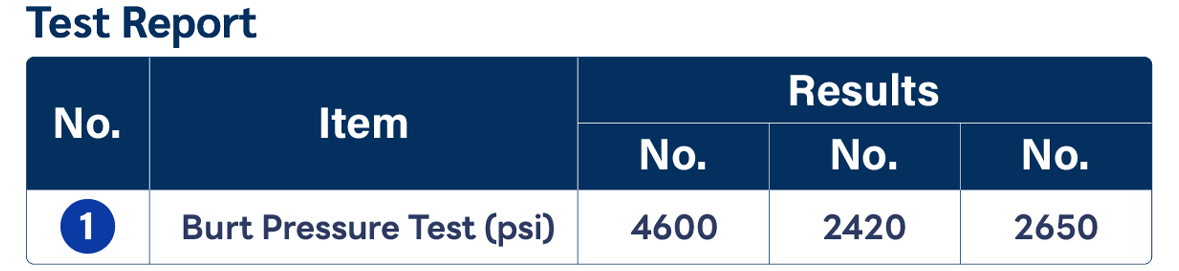
The pipe and fitting shall be test 1.5 time of design pressure before delivery. According to ASTM D1599 and ASTM D2992 standards, a pipe specimen is attached to the end closures and filled with water. The pressure level is increased by using a pressuring device until the specific test pressure has been reached. The test pressure is ranging from 2 bars for non-pressure pipe to 50 bars for reverse osmosis membrane housing pipe.
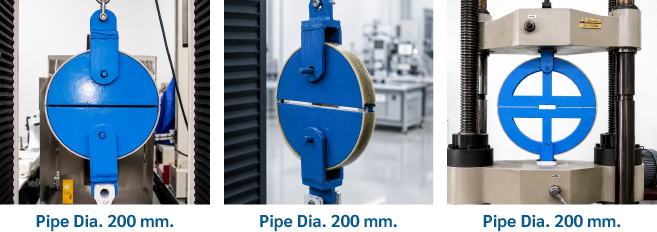
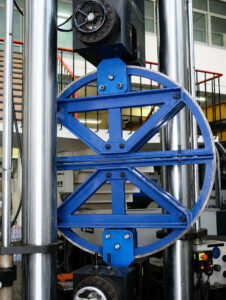
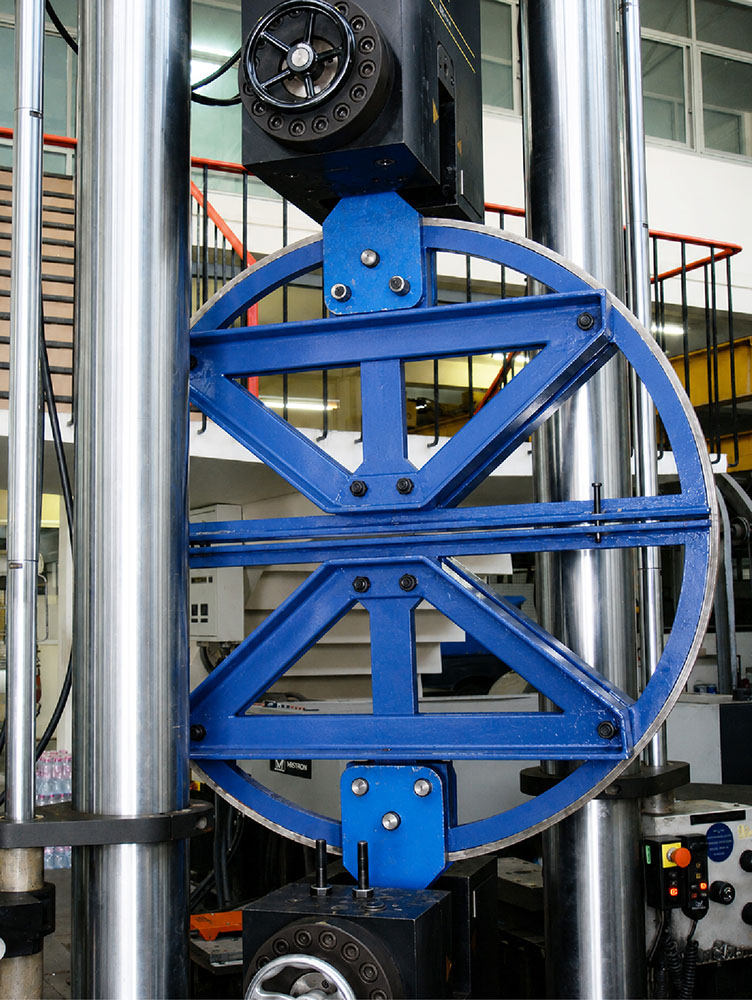
According to the ASTM D2290 standard, a test specimen is loaded in the split disk test fixture which is applied tensile stress to the test ring. A hoop tensile strength is obtained after the ultimate loads are reached.
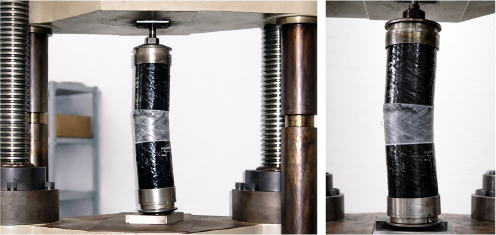
According to the ASTM D 638 and ASTM D2105 standard, a grooved pipe or dumb bell specimen is aligned and attached to the universal machine. The specimen is pulled at the specific speed and the ultimate strength is recorded.
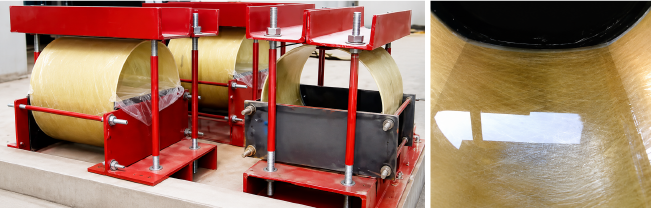
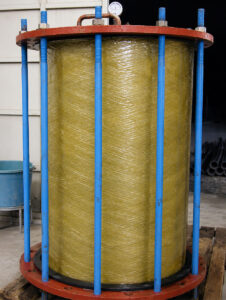
To determine chemical resistant properties of the pipe in a deflected condition, a specimen is placed in the strain-corrosion test apparatus. After initial strain has been applied to the specimen, add the test solution and leave the specimen for 100 hours and 1000 hours. (ASTM D3681).

Chemical Processing
Water & Wastewater
Fire Water & Utilities
Oil, Gas & Offshore